
Johdanto ruiskun liukuvoiman testaukseen
Ruiskun liukuvoiman testaus on ratkaisevan tärkeää lääkinnällisissä sovelluksissa käytettävien ruiskujen moitteettoman toiminnan varmistamiseksi. Mukaan ISO 7886-1, ruiskujen on pystyttävä liikuttamaan mäntää tasaisesti ja mahdollisimman vähän vastusta käyttäen, jotta varmistetaan helppokäyttöisyys ja tarkka lääkkeen annostelu. Tärkeä osa tätä testiä on mitata männän käyttämiseen tarvittava voima ruiskun sisällä, mikä vaikuttaa suoraan käyttömukavuuteen ja lääketieteellisten toimenpiteiden tehokkuuteen. Tässä artikkelissa tarkastelemme ruiskun liukuvoiman testauksen merkitystä, roolia Ruiskun männän liukuvoiman testaaja, ja noudattaminen ISO 7886-1 Liite E.
Miksi ruiskun liukuvoiman testaus on tärkeää
Ruiskun suorituskyky, erityisesti männän liikuttamiseen tarvittava voima, on kriittinen tekijä, kun on kyse käyttäjäkokemus ja tehokkuus lääkkeen antaminen. Jos ruiskun käyttäminen vaatii liikaa voimaa, se voi johtaa seuraaviin vaaroihin epämukavuus käyttäjälle ja voi johtaa epäjohdonmukainen lääkkeiden toimittaminen. Terveydenhuollon ammattilaisille sileä ja helppokäyttöinen ruisku varmistaa, että injektiot annetaan tehokkaasti ja tuloksellisesti, erityisesti sairaaloiden kaltaisissa korkean paineen ympäristöissä.
Ruiskun liukuvoiman testaus varmistaa, että mäntä liikkuu sopivalla voimalla. Testauksessa tunnistetaan myös ruiskut, jotka ylittävät hyväksyttävän vastuksen rajan ja jotka on ehkä suunniteltava uudelleen tai palautettava. Tämä prosessi on erityisen tärkeä tuotteille, joita käytetään injektionesteet ja muut lääkinnälliset laitteet, jotka vaativat tarkkaa annostelua.
ISO 7886-1 ja ruiskujen testaus
ISO 7886-1 on kansainvälinen standardi steriilit injektioruiskut kertakäyttöisiä varten. Siinä annetaan ruiskujen suunnittelua, suorituskykyä ja testausmenetelmiä koskevat eritelmät. Liite E Tässä standardissa esitetään testimenetelmä, jolla määritetään tuotteen männän käyttämiseen tarvittavat voimat, jossa Ruiskun männän liukuvoiman testaaja tulee kuvaan mukaan.
- ISO 7886-1 Liite E esitetään ruiskun männän liikuttamiseen tarvittavan voiman mittaamiseen tarvittavat parametrit. Tällä testillä varmistetaan, että männän voima ei ole liian suuri eikä liian pieni.
- The testausmenetelmä on olennaisen tärkeää, jotta voidaan tunnistaa ne ruiskut, jotka eivät täytä suorituskykyvaatimuksia, ja siten estää virheellisten ruiskujen pääsy markkinoille.
Noudattamalla ISO 7886 -testaus, valmistajat voivat varmistaa turvallisuus ja suorituskyky ruiskuja, mikä viime kädessä parantaa potilaiden hoidon laatua.
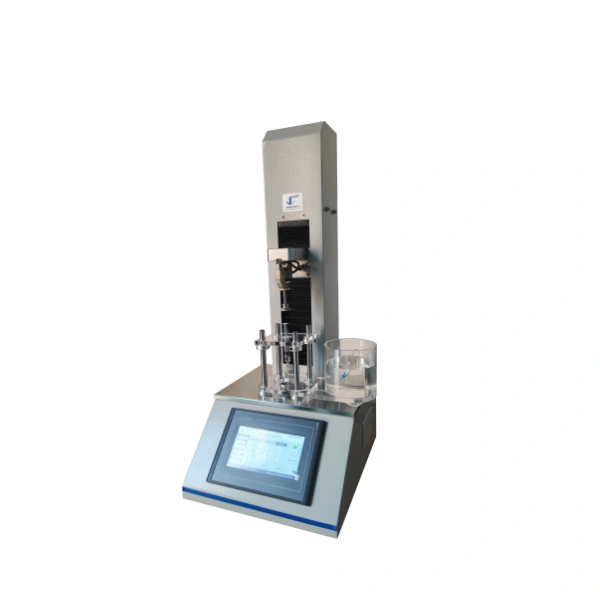
Ruiskun männän liukuvoiman testaaja: Avain luotettavaan testaukseen
The Ruiskun männän liukuvoiman testaaja on erikoistyökalu, jota käytetään mittaamaan ruiskun sisällä olevan männän liikuttamiseen tarvittavaa voimaa ruiskun sisäpuolella. ISO 7886-1 Liite E. Testaaja toimii siten, että ruiskun mäntään kohdistetaan hallittu voima, joka simuloi voimaa, jota terveydenhuollon ammattilainen käyttäisi injektion aikana.
Keskeiset ominaisuudet Ruiskun männän liukuvoiman testaaja sisältävät:
- Tarkkuusmittaus: Se mittaa mäntää liikuttamaan tarvittavan voiman suurella tarkkuudella, mikä varmistaa, että noudatetaan seuraavia vaatimuksia ISO 7886-1 standardit.
- Mukautettavat testausparametrit: Testauslaite mahdollistaa testausparametrien säätämisen eri ruiskumallien ja sovellusten erityistarpeiden mukaan.
- Reaaliaikainen seuranta: Testeri antaa reaaliaikaista palautetta männän käyttämiseen tarvittavasta voimasta, jolloin valmistaja voi tarvittaessa tehdä välittömiä säätöjä.
The Ruiskun männän liukuvoiman testaaja varmistaa, että ruiskut toimivat johdonmukaisesti hyväksyttävällä voima-alueella, mikä takaa potilasturvallisuuden ja optimaalisen injektiotehon.
ISO 7886 -testaus ja ruiskun männän liukuvoima
ISO 7886-1 Liite E esitetään menettely ruiskun männän käyttämiseen tarvittavan voiman määrittämiseksi. Testaus suoritetaan käyttämällä mekaaninen testauskone joka kohdistaa ruiskuun hallitun voiman. Tässä testissä mitattavat keskeiset parametrit ovat seuraavat:
- Alkuperäinen voima tarvitaan männän liikuttamiseen.
- Jatkuva voima tarvitaan männän liikkeen aikana.
- Suurin voima männän liikkeen aikana.
Suorittamalla ISO 7886 -testaus ruiskujen osalta valmistajat voivat varmistaa, että niiden ruiskut täyttävät kansainväliset standardit männän toiminnalle ja että ne tarjoavat yhdenmukaisen käyttökokemuksen. Ruiskut, jotka eivät täytä näitä kriteerejä, merkitään lisätutkimuksia tai uudelleensuunnittelua varten.
Injektioruiskun vuototesti: Täyden suorituskyvyn varmistaminen
Liukuvoiman testauksen lisäksi injektioruiskun vuototesti on olennaisen tärkeää, jotta voidaan varmistaa eheys ruiskusta. Tällä testillä tarkistetaan, ettei männän tulpan tai tiivisteiden ympärillä ole vuotoja, ja varmistetaan, että ruisku voi pitää sisältönsä ilman saastumis- tai häviämisriskiä käytön aikana. Vuotava ruisku ei ainoastaan heikennä lääkkeen tehoa, vaan aiheuttaa myös infektio- tai saastumisriskin.
Integroimalla sekä ruiskun liukuvoiman testaus ja vuototestaus, valmistajat voivat tarjota ruiskuja, jotka täyttävät korkeimmat suorituskyky- ja turvallisuusstandardit. Tämä yhdistetty testaus varmistaa, että ruisku toimii oikein kaikissa olosuhteissa ja tarjoaa optimaalisen käyttökokemuksen ja turvallisuuden.
Päätelmä
Ruiskun liukuvoiman testaus on tärkeä rooli toiminnallisuuden, helppokäyttöisyyden ja luotettavuuden varmistamisessa. turvallisuus injektioruiskuja. Noudattamalla ISO 7886-1 Liite E ja käyttämällä Ruiskun männän liukuvoiman testaaja, valmistajat voivat varmistaa, että ruiskut toimivat hyväksyttävien voimarajojen sisällä. Sekä liukuvoiman että vuotojen testaus auttaa ylläpitämään laadunvalvonta ja varmistaa, että ruiskut täyttävät kansainväliset standardit.
Osoitteessa Cell Instruments, tarjoamme korkealaatuisia testausratkaisuja, kuten Ruiskun männän liukuvoiman testaaja, jotta varmistetaan, että ruiskut täyttävät vaaditut suorituskykyvaatimukset. Testauslaitteidemme avulla voit ylläpitää tuotteidesi korkeimpia laatu- ja luotettavuusstandardeja.
 FI
FI  EN
EN  AR
AR  BG
BG  CS
CS  DA
DA  DE
DE  EL
EL  ES
ES  ET
ET  FR
FR  HU
HU  ID
ID  IT
IT  JA
JA  KO
KO  LT
LT  LV
LV  NB
NB  NL
NL  PL
PL  PT
PT  RO
RO  RU
RU  SK
SK  SL
SL  SV
SV  TR
TR  UK
UK  HE
HE  TH
TH  VI
VI