
The Test szczelności systemu zamykania strzykawki ma kluczowe znaczenie dla oceny integralności i funkcjonalności systemów zamykania strzykawek, takich jak osłony igieł i nasadki końcówek. Test ten zapewnia, że strzykawki są w stanie wytrzymać ciśnienie wewnętrzne podczas procesu napełniania i transportu, zapobiegając w ten sposób potencjalnym wyciekom. Aby uzyskać dokładne i wiarygodne wyniki, test ten jest zgodny z wytycznymi określonymi w dokumencie ISO 11040-4. W tym artykule zagłębimy się w procedurę testowania, aparaturę i znaczenie tego testu dla zapewnienia jakości w przemyśle farmaceutycznym i urządzeń medycznych.
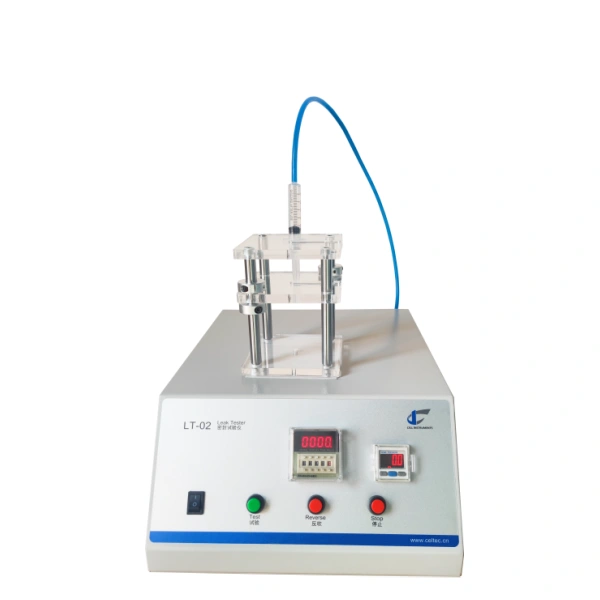
Przegląd testu wycieku cieczy z systemu zamykania strzykawki
Głównym celem Test szczelności systemu zamykania strzykawki jest ocena odporności zamknięć strzykawek na wyciek cieczy w kontrolowanych warunkach. Jest to szczególnie ważne podczas napełniania i transportu strzykawek, gdzie może wystąpić nadciśnienie. Aby zapewnić bezpieczeństwo strzykawki, ciśnienie testowe wynoszące 110 kPa jest stosowany do symulacji rzeczywistych warunków, jak określono przez ISO 11040-4.
ISO 11040-4 i jej znaczenie w testowaniu strzykawek
Norma ISO 11040-4 określa standard dla systemów strzykawkowych, koncentrując się na mechanizmie zamykającym i jego odporności na wycieki. Norma Tester szczelności strzykawki jest zgodna z zasadami określonymi w tej normie, zapewniając, że strzykawki spełniają niezbędne kryteria wydajności. Metoda testowa została zaprojektowana w celu odtworzenia ciśnień i warunków, z którymi strzykawki będą miały do czynienia podczas produkcji, transportu i przechowywania.
ISO 11040-4 nie tylko definiuje procedurę testu szczelności, ale także określa aparaturę, przygotowanie próbek i dokumentację wymaganą do oceny systemów zamykania strzykawek. Test ten zapewnia producentom farmaceutycznym i personelowi kontroli jakości dane niezbędne do zapewnienia integralności strzykawek przed ich użyciem w procedurach medycznych.
Procedura testowania wycieku cieczy z systemu zamykania strzykawki
Procedura testowania systemów zamykania strzykawek pod kątem wycieków cieczy obejmuje kilka etapów:
Przygotowanie próbki
- Do testu przygotowywane są wysterylizowane, zmontowane strzykawki.
- Strzykawki są napełniane wodą o jakości odczynnika do 1/3-2/3 ich nominalnej objętości napełnienia.
- Strzykawki są umieszczane w uchwyt strzykawki, upewniając się, że są one bezpiecznie ustawione do testu.
Aplikacja ciśnieniowa
- A ciśnienie 110 kPa jest stosowany do systemu zamykania strzykawki przy użyciu uniwersalna maszyna do prób rozciągania lub sprężonego powietrza. Ciśnienie jest utrzymywane przez 5 sekund do symulacji rzeczywistych warunków.
Monitorowanie wycieków
- Podczas i po przyłożeniu ciśnienia system zamykania strzykawki jest monitorowany pod kątem widocznych wycieków. Test uznaje się za udany, jeśli nie zaobserwowano żadnych wycieków, a system zamknięcia pozostaje nienaruszony bez żadnych mokrych powierzchni wokół nasadki końcówki lub osłony igły.
Dokumentacja testowa
- Raport z testu zawiera istotne dane, takie jak zastosowane ciśnienie, liczba testowanych próbek oraz wyniki pozytywne/negatywne. Dokumentacja ta ma kluczowe znaczenie dla zapewnienia identyfikowalności i utrzymania standardów jakości.
Kluczowe elementy systemu zamykania strzykawki Test wycieku cieczy
- Uchwyt strzykawki - Urządzenie używane do zabezpieczenia strzykawki podczas testu.
- Tłoczysko i tłoczek - Elementy te pomagają przyłożyć niezbędną siłę do strzykawki podczas testu.
- Aparatura testowa - Uniwersalna maszyna do prób rozciągania lub system ciśnieniowy zapewnia stałe stosowanie ciśnienia.
Zalety strzykawkowych testerów szczelności
Testery szczelności strzykawek, takie jak te dostarczane przez Cell Instruments, oferują kilka korzyści:
- Precyzyjne testowanie - Dzięki wysokiej częstotliwości próbkowania (500 Hz) test zapewnia dokładne wyniki, szczególnie gdy wymagane są pomiary szczytowe.
- Zgodność z normami ISO - Testery te zostały zaprojektowane zgodnie z ISO 11040-4 oraz ISO 11040-4 Załącznik G2, zapewniając, że test jest zarówno niezawodny, jak i zgodny z wymogami branżowymi.
- Wszechstronność - Testery nadają się do różnych konfiguracji strzykawek, w tym zarówno do osłony igieł oraz nakładki na końcówki, co czyni je niezbędnym narzędziem kontroli jakości w przemyśle farmaceutycznym.
Wnioski
The Test szczelności systemu zamykania strzykawki jest istotną procedurą zapewniającą bezpieczeństwo i niezawodność strzykawek w zastosowaniach medycznych. Przestrzegając wytycznych określonych w dokumencie ISO 11040-4, producenci mogą bez obaw oceniać integralność systemów zamykania strzykawek. Wykorzystując zaawansowane Strzykawkowe testery szczelności jak te z Cell Instruments zapewnia, że strzykawki spełniają niezbędne standardy odporności na wycieki, co ostatecznie pomaga chronić zdrowie publiczne.
Wezwanie do działania
Więcej informacji na temat Strzykawkowe testery szczelności lub zapytać o Cell Instruments rozwiązań testowych, prosimy o kontakt. Nasze produkty zapewniają niezrównaną dokładność i zgodność z normami branżowymi, aby zaspokoić potrzeby w zakresie kontroli jakości.
 PL
PL  EN
EN  AR
AR  BG
BG  CS
CS  DA
DA  DE
DE  EL
EL  ES
ES  ET
ET  FI
FI  FR
FR  HU
HU  ID
ID  IT
IT  JA
JA  KO
KO  LT
LT  LV
LV  NB
NB  NL
NL  PT
PT  RO
RO  RU
RU  SK
SK  SL
SL  SV
SV  TR
TR  UK
UK  HE
HE  TH
TH  VI
VI