
ISO 7864 is the core international standard governing sterile hypodermic needles for single use. It defines both performance requirements and verified test methods to ensure safety, consistency, and functionality in clinical use. From a quality and regulatory perspective, ISO 7864 connects product design, material selection, and mechanical performance through objective testing.
For manufacturers, medical device laboratories, and inspection agencies, ISO 7864 provides a structured framework to evaluate needle strength, penetration behavior, bonding reliability, and fluid delivery performance. These parameters directly affect user safety, patient comfort, and compliance with global regulatory expectations.
Within hypodermic needle testing, ISO 7864 emphasizes mechanical integrity and functional performance. The standard addresses how a needle penetrates tissue-like substrates, how securely it bonds to the hub, and how effectively it delivers fluids. Each test targets a specific risk associated with needle use, such as excessive insertion pain, detachment from the hub, or restricted flow.
Testing according to ISO 7864 ensures that hypodermic needles perform consistently across batches and manufacturing sites, which is especially important for high-volume disposable medical devices.
One of the most critical procedures described in ISO 7864 is the needle penetration test. This method measures the force required for a needle to enter a standardized substrate at a constant speed. The resulting force–displacement curve provides two key indicators:
Peak penetration force, representing the maximum resistance during initial entry
Drag force, reflecting friction as the needle continues through the substrate
Controlled measurement of 浸透力 helps manufacturers optimize needle geometry, tip sharpness, and surface finish. Excessive penetration force may increase patient discomfort, while insufficient force consistency may indicate variability in grinding or polishing processes.
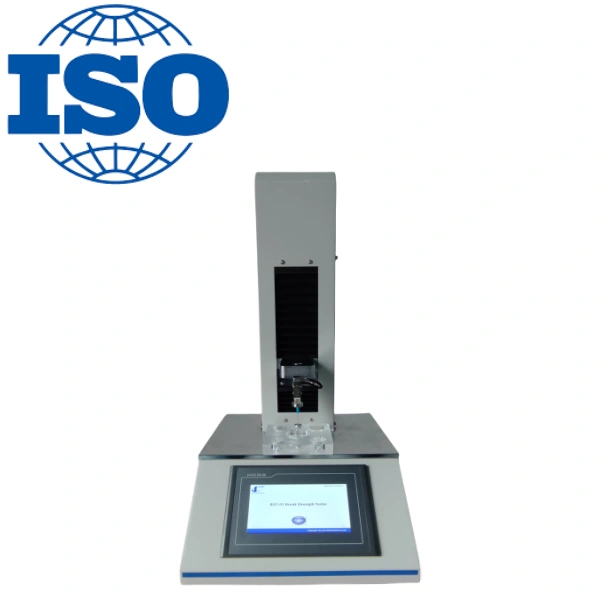
A dedicated Strength Tester equipped with a high-resolution load cell ensures reliable force measurement and repeatable results. Modern systems allow precise speed control and continuous force recording, which supports both development and routine quality control.
について fragmentation test for medical needles focuses on structural safety. During insertion and withdrawal, a needle must remain intact without shedding fragments that could remain in tissue. ISO 7864 includes requirements to verify that the needle maintains its integrity under defined mechanical conditions.
This test supports risk reduction in clinical use and confirms that material quality, heat treatment, and manufacturing processes meet the expected safety threshold. Fragmentation results also provide valuable feedback during supplier qualification and process validation.
Needle Bond strength represents the mechanical connection between the needle tube and the hub. ISO 7864 specifies a tensile test method to confirm that this bond withstands defined loads without separation or failure.
Using a calibrated tensile Strength Tester, the needle is pulled axially at a controlled speed until separation occurs or a maximum force is reached. The recorded value reflects the bonding strength and indicates whether the selected adhesive or bonding process is suitable for the needle size and application.
Reliable needle bond performance is essential for preventing accidental detachment during injection, which could cause serious safety incidents.
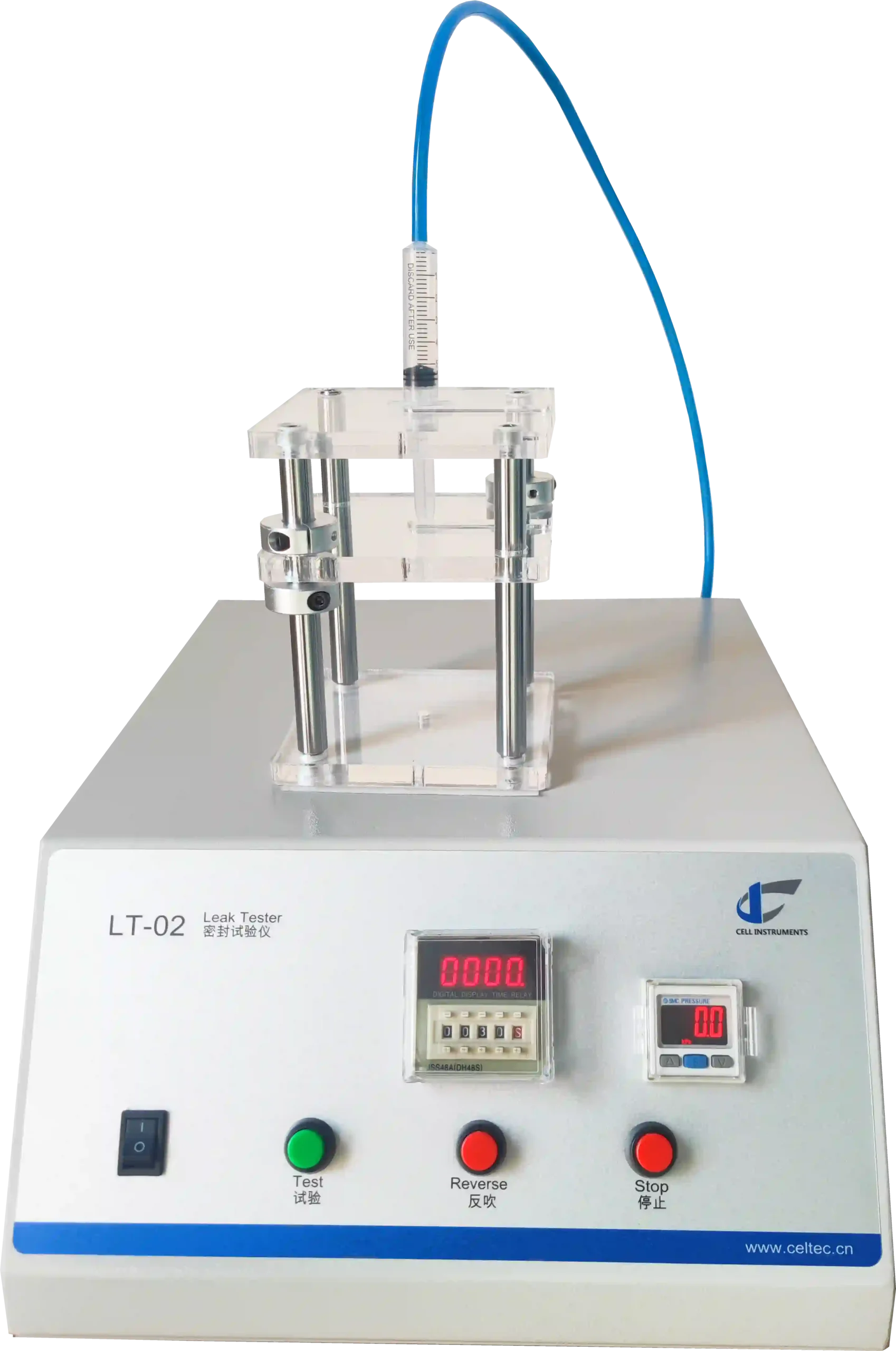
本装置は正確に制御された真空をシリンジに適用し、圧力の変化とプランジャーの完全性を正確に監視することができます。ISO 80369-7互換の接続部と確実なクランプ機構を備えたSLT-01は、気密性とプランジャーストッパー保持の両方を徹底的に評価します。
MST-01は、高精度のメカニカルシステムを採用し、液剤排出時のブレークルース力とグライド力を測定します。MST-01により、メーカーは開始抵抗と移動抵抗を定量化することができ、安全で快適なプランジャー動作に不可欠な、スムーズで一貫したプランジャー動作を保証するための重要なデータを提供します。
本装置は、プランジャーに横方向および軸方向の荷重をかけながらシリンジバレル内の圧力をシミュレートし、臨床での使用状況を忠実に再現します。SSPT-01は、わずかなシール不良も検出できるように設計されており、メーカーが製品の信頼性と厳しい安全規格への準拠を確認するのに役立ちます。

In addition to mechanical strength, ISO 7864 addresses functional performance through the flow rate through the needle test. This evaluation confirms that the internal lumen allows fluids to pass at an expected rate under defined conditions.
Flow rate results relate closely to inner diameter consistency, surface finish, and cleanliness. A stable and predictable flow rate ensures accurate dosing and smooth injection, particularly in applications involving viscous pharmaceutical formulations.
To meet ISO 7864 efficiently, laboratories increasingly rely on integrated testing platforms. A modern Needle Penetration and Drag Force Tester from セルインスツルメンツ combines penetration force measurement, drag force analysis, and flexible fixture design in a single system. Such solutions support standardized testing while allowing customization for specific needle types or customer requirements.
Automation options further improve repeatability, reduce operator influence, and support high-throughput testing environments. These advantages align well with ISO 7864 objectives and modern quality management systems.
ISO 7864 establishes a comprehensive technical foundation for evaluating sterile hypodermic needles. Through structured hypodermic needle testing, including needle penetration test procedures, penetration force analysis, Needle Bond strength verification, fragmentation test for medical needles, and flow rate through the needle test, manufacturers can ensure safety, performance, and regulatory compliance.
By adopting advanced testing solutions such as the セルインスツルメンツ Needle Penetration and Drag Force Tester, organizations can improve data reliability, streamline quality control, and confidently meet ISO 7864 requirements across the full product lifecycle.