
Bevezetés az ISO9626 B. mellékletébe
A ISO9626 B. melléklet szabvány átfogó vizsgálati módszert biztosít az orvostechnikai eszközökben használt tűcsövek merevségének értékelésére. Ez a vizsgálat elengedhetetlen annak biztosításához, hogy a tűcső fenntartja a szükséges merevséget a biztonságos és hatékony használathoz szükséges merevséget az orvosi alkalmazásokban, például fecskendőkben és injekciós készítményekben. E szabvány betartásával a gyártók garantálhatják, hogy termékeik megfelelnek az előírt biztonsági és teljesítménykritériumoknak.
A tűcső merevségi teszt az ISO9626 B. mellékletében leírt eljárás kritikus fontosságú az orvostechnikai eszközök gyártói számára, különösen azok számára, akik fecskendőkkel és egyéb injekciós termékekkel foglalkoznak. Ez a vizsgálat segít annak meghatározásában, hogy a tűcső megfelelő mechanikai tulajdonságokkal rendelkezik-e ahhoz, hogy a használat során a meghibásodás kockázata nélkül hatékonyan működjön.
Mi az ISO9626 B melléklet?
Az ISO9626 egy olyan szabvány, amely szabályozza a orvosi tűcsövek gyártása és vizsgálata a fecskendők és más orvosi eszközök gyártása során használják. A B. melléklet kifejezetten a csövek merevségére összpontosít, amely döntő fontosságú a fecskendők teljesítménye és a tartalmuk megbízható és biztonságos befecskendezésének képessége szempontjából.
A B. mellékletben a vizsgálati eljárás során a két végén megtámasztott cső közepére erőt kell kifejteni, és mérni kell a fellépő alakváltozást. Ez lehetővé teszi a gyártók számára annak értékelését, hogy a cső merevsége megfelel-e a fecskendőkben, tűkben és hasonló orvostechnikai eszközökben való használatra előírt előírásoknak.
Tűcső merevségvizsgálat: A legfontosabb eljárás
A tűcső merevségi teszt egy speciális készülékkel végzik, amely meghatározott erőt fejt ki a csőre, és méri annak elhajlását. A vizsgálatot az ISO9626 szabvány B. mellékletében szereplő, a szükséges paramétereket és berendezéseket meghatározó iránymutatások szerint kell elvégezni.
3 pontos hajlítási teszt a csövek merevségének meghatározására
A 3 pontos hajlítási próba lényeges része a tűcső merevségi teszt. Ebben az eljárásban a csövet egy olyan vizsgálóberendezésre helyezik, amely a cső közepére lefelé irányuló erőt fejt ki. A span a két tartóvég között az adott csőméretre vonatkozó szabványnak megfelelően kell beállítani.
A cső középpontjában méri az elhajlás mértékét, és ezt az elhajlási értéket a cső merevségének értékelésére használja. Ez a vizsgálat biztosítja, hogy a tűcső a merevség és a rugalmasság megfelelő egyensúlyával rendelkezik, ami létfontosságú a fecskendők és más orvostechnikai eszközök biztonsága és funkcionalitása szempontjából.
A tűcső merevségvizsgálatához használt készülék
A tűcső merevségi teszt, a készüléknek meg kell felelnie az ISO9626 B. mellékletében meghatározott különleges követelményeknek:
- Plunger: Egy tompa, ék alakú, 1 mm-es hengeres sugarú dugattyúval erőt fejtünk ki a csőre. A dugattyúnak képesnek kell lennie 60 N erő kifejtésére ±0,1 N pontossággal.
- Elhajlásmérő berendezés: Az alakváltozás mérésére használt berendezésnek nagy pontosságúnak kell lennie, és képesnek kell lennie az alakváltozás 0,01 mm-es pontosságú mérésére.
- Támogatási és terjeszkedési lehetőség: A csövet mindkét végén meg kell támasztani, és a támaszok közötti távolságot a csőre előírt méreteknek megfelelően kell beállítani.
Befejezhetőségi vizsgálat és annak jelentősége
A tűcső merevségi teszt, a injektálhatósági vizsgálat az orvosi tűk és fecskendők másik fontos értékelési szempontja. Ez a vizsgálat azt vizsgálja, hogy a tűn keresztül mennyire könnyen lehet beadni a tartalmat, és biztosítja, hogy a tű nem okoz túlzott ellenállást vagy problémákat az injekciós folyamat során.
A injektálhatósági vizsgálat gyakran a valós körülmények szimulálása a fecskendőre gyakorolt nyomás és a tartalom befecskendezéséhez szükséges erő mérése révén. A túl merev tű nehézséget okozhat az injekció beadásában, míg a túl rugalmas tű instabilitáshoz vagy potenciális meghibásodáshoz vezethet.
A fecskendő-vizsgáló berendezések szerepe
A gyártók számára, akik betartják a ISO9626 B. melléklet, pontos fecskendő vizsgálati berendezés elengedhetetlen. Ez a berendezés biztosítja, hogy a tűcső merevségi teszt és injektálhatósági vizsgálat pontosan és következetesen végzik. A kiváló minőségű vizsgálati eszközök lehetővé teszik a gyártók számára, hogy megfeleljenek a szabályozási követelményeknek, és biztonságos, megbízható termékeket szállítsanak.
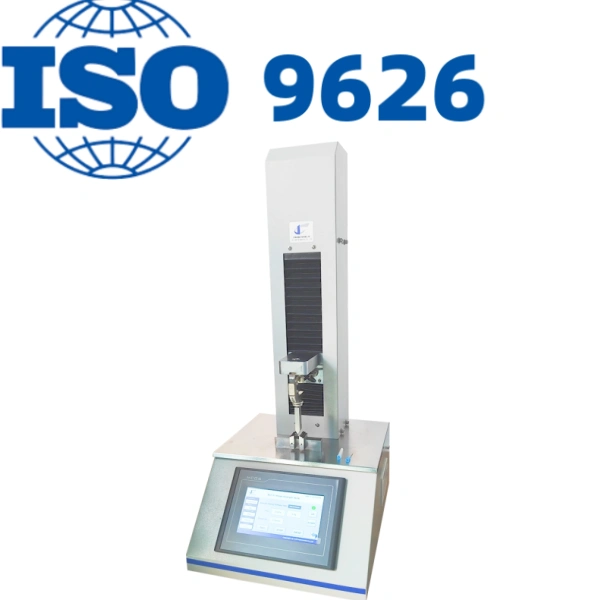
Például a Csövek merevségmérője a címről Cell Instruments úgy tervezték, hogy pontos merevségmérést biztosítson a tűs csövekhez. Ez a műszer ideális a a tűcső merevsége a fecskendőkben és egyéb orvostechnikai eszközökben használt, a következőknek való megfelelés biztosítása ISO9626 B. melléklet és más vonatkozó szabványok.
A ISO9626 B. melléklet szabvány kritikus szerepet játszik az orvostechnikai eszközökben használt tűcsövek biztonságának és teljesítményének biztosításában. A tűcső merevségi teszt létfontosságú annak ellenőrzéséhez, hogy a csövek ellenállnak-e a használat során fellépő erőknek, miközben megőrzik a befecskendezési eljárásokhoz szükséges rugalmasságot.
A gyártók a következő intézkedések végrehajtásával biztosíthatják, hogy termékeik megfeleljenek az előírt teljesítményszabványoknak 3 pontos hajlítási próba a csövek merevsége és a megbízható fecskendő vizsgálati berendezés a minőségellenőrzési folyamatokba. Cell Instruments fejlett Csőmerevség-vizsgáló készülékek hogy segítse a gyártókat e szigorú követelményeknek való megfelelésben és az orvostechnikai termékek minőségének biztosításában.
 HU
HU  EN
EN  AR
AR  BG
BG  CS
CS  DA
DA  DE
DE  EL
EL  ES
ES  ET
ET  FI
FI  FR
FR  ID
ID  IT
IT  JA
JA  KO
KO  LT
LT  LV
LV  NB
NB  NL
NL  PL
PL  PT
PT  RO
RO  RU
RU  SK
SK  SL
SL  SV
SV  TR
TR  UK
UK  HE
HE  TH
TH  VI
VI