
Introduction
Na stránkách medical syringe piston force test is an essential quality control measure in the manufacturing of syringes, especially for injectable drugs. This test is designed to ensure that the syringe’s piston operates smoothly, which is crucial for proper medication delivery. In this article, we will explore the role of this test in guaranteeing the performance of syringes, the significance of ISO 7886-1 testing, and how it integrates with other essential tests like syringe glide force testing and the air leakage test.
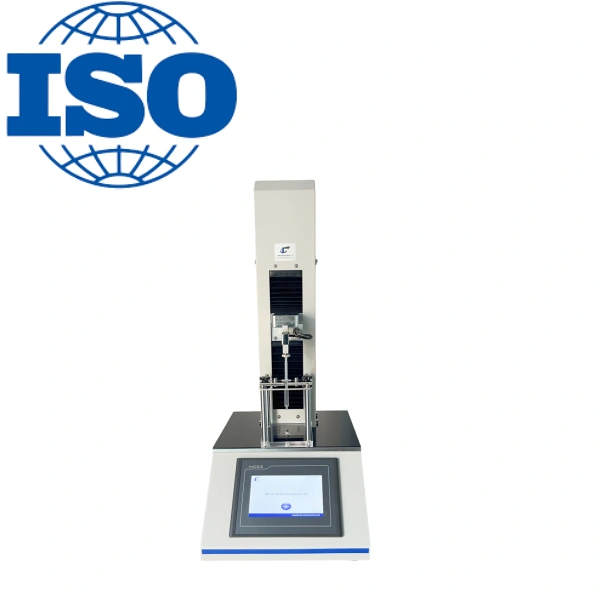
The Importance of Medical Syringe Piston Force Test
The piston in a syringe is responsible for expelling the contents, and the force required to move it is a vital parameter for quality assurance. The medical syringe piston force test measures the amount of force needed to move the piston within the syringe. If the force is too high, it could indicate manufacturing defects, such as friction or incorrect piston fit, which can affect the user’s ability to properly administer medication.
Ensuring that the syringe piston moves smoothly and with the correct amount of force is critical to achieving accurate dosing and preventing injuries, such as needle breaks or inadvertent injections due to excessive force.
ISO 7886-1 Testing: Standard for Syringe Performance
ISO 7886-1 is an internationally recognized standard for the performance of sterile hypodermic syringes intended for single use. This standard includes various tests to assess the quality and functionality of syringes, including the force required to operate the piston. According to ISO 7886-1, the syringe should function effectively under normal use conditions, and the force required to move the piston should fall within specific limits to ensure ease of use.
Na stránkách ISO 7886-1 testing procedure includes testing for air leakage, dead space, and the ease with which the piston operates. The standard specifically addresses the force required to move the piston, ensuring that the syringe provides an optimal user experience and meets regulatory standards for medical devices.
Syringe Glide Force Testing
Another important aspect of the medical syringe piston force test is the syringe glide force testing. Glide force testing measures the friction between the syringe piston and barrel, which directly affects the ease of movement during injection.
Excessive friction can lead to higher resistance during injection, making it difficult for healthcare professionals to administer the medication. This issue can also lead to a higher likelihood of user fatigue during repeated use. Glide force testing ensures that the syringe is comfortable to use and that the piston operates smoothly throughout its entire range of motion.
Test úniku vzduchu
Na stránkách air leakage test is another critical component of the syringe testing process. This test ensures that no air enters the syringe, which could compromise the sterility and efficacy of the medication. During this test, the syringe is checked for any leakage past the plunger stopper or seal.
A syringe with an air leak could pose significant risks, including contamination or compromised drug delivery. The air leakage test ensures that syringes meet high-quality standards, providing confidence that the product will perform safely and effectively.
Ensuring Compliance with USP 1207: Package Integrity Evaluation
In addition to ISO 7886-1 testing, USP 1207 provides guidelines for package integrity evaluation, which is essential for ensuring that syringes and other medical devices maintain their sterility throughout their shelf life. This standard includes leak testing methods, such as vacuum decay, to evaluate the integrity of the packaging.
By adhering to these standards, manufacturers can ensure that their products are compliant with regulatory requirements and that the syringes’ packaging will protect the contents from contamination, leakage, or degradation.
Conclusion
Na stránkách medical syringe piston force test is a crucial part of quality control in the manufacturing of syringes, ensuring that they meet safety, performance, and regulatory standards. Through ISO 7886-1 testing, syringe glide force testing, and the air leakage test, manufacturers can ensure that their syringes operate effectively and provide reliable, accurate dosing for patients.
By investing in quality testing equipment like Cell Instruments’ medical syringe tester, manufacturers can enhance their quality control processes and ensure that they deliver the highest quality syringes to the healthcare market. These tests not only help maintain product integrity but also promote patient safety and satisfaction.
Meta Description: Learn about the medical syringe piston force test and its role in ensuring high-quality syringe performance. Discover ISO 7886-1 testing, syringe glide force testing, and air leakage test methods.
 CS
CS  EN
EN  AR
AR  BG
BG  DA
DA  DE
DE  EL
EL  ES
ES  ET
ET  FI
FI  FR
FR  HU
HU  ID
ID  IT
IT  JA
JA  KO
KO  LT
LT  LV
LV  NB
NB  NL
NL  PL
PL  PT
PT  RO
RO  RU
RU  SK
SK  SL
SL  SV
SV  TR
TR  UK
UK