
Sterile single-use syringes are vital in the medical field, offering a reliable and safe way to administer medications. However, to ensure that these syringes meet the required safety and performance standards, rigorous testing is necessary. One of the essential tests is the sterile single-use syringes test, which verifies their functionality, safety, and overall quality. This article will delve into the significance of the sterile single-use syringes test, focusing on the tests required for syringe integrity, including ISO 8537 C priedas standartus.
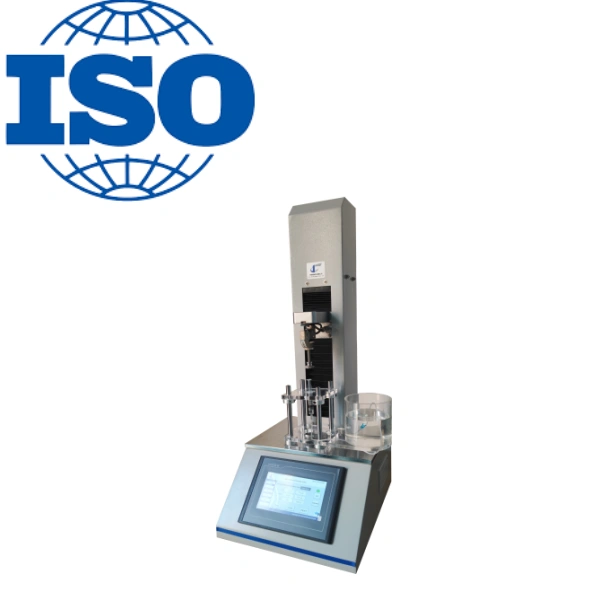
ISO 8537 Annex C: Ensuring Syringe Performance and Integrity
ISO 8537 outlines the testing requirements for syringes used in medical applications, specifically for insulin. The standard, which also includes C priedas, plays a critical role in testing the forces required to operate the piston. This is crucial for ensuring the syringe functions smoothly, especially when the plunger is moved within the barrel.
The force required to operate the piston is an essential parameter to test for, as syringes with improper force could be difficult to use and affect their functionality. This test evaluates the ease of movement and ensures that the plunger moves with the correct amount of force, making it critical for user safety and comfort.
The Importance of Syringe Sliding Resistance Tester in Testing
To effectively measure the forces required to operate the piston... Syringe Sliding Resistance Tester is often used. This device is designed to test the friction between the syringe plunger and barrel, determining the force required for smooth plunger movement.
Svetainė Syringe Sliding Resistance Tester works by measuring the sliding resistance and recording the force needed to begin the plunger’s movement and sustain it. By doing so, it ensures that syringes meet the performance requirements outlined in ISO 8537 C priedas.
Syringe Leak Tester: Preventing Contamination Risks
In addition to testing the forces required to operate the piston, another critical aspect of sterile single-use syringes test is evaluating the potential for leaks. A syringe leak tester is used to identify any air or liquid leakage past the syringe’s plunger stopper or seal, which could compromise its sterility.
Pagal ISO 8537 Annex B, the test for leakage past the piston involves applying a negative pressure and observing the syringe for any signs of air or liquid leakage. This ensures that syringes will not fail during use, which is critical in preventing contamination and maintaining patient safety.
Testing for Breakage and Functionality
For syringes to perform effectively, they must withstand various mechanical stresses without failure. ISO 8537 Annex B also includes requirements for the breaking force of syringes, specifically assessing the force required to separate the rubber stopper from the plunger.
This is important to ensure that syringes are designed with sufficient strength to prevent accidental breakage or malfunction during use. Testing for breakage force is particularly important for ensuring the syringe’s longevity and preventing any risk of injury.
The Role of the Glass Ampoule Break Force Tester
Svetainė glass ampoule break force tester is used to assess the breaking force of glass ampoules, which are commonly used for injectable drugs. These ampoules must meet strict standards for break force to ensure that they can be opened easily without causing injury or contamination.
Using ISO 8537 Annex B as a reference, the glass ampoule break force tester applies specific forces to the ampoule to determine whether it can withstand the required pressure without breaking. This test is crucial for the safety and reliability of medical ampoules and syringes.
Ensuring Quality Control with ISO 8537 Testing Methods
Testing methods defined by ISO 8537, including Annex B ir C priedas, are essential for quality control in the production of syringes. By following these standards, manufacturers can ensure that their products meet the necessary safety and performance criteria before they are used in medical procedures.
Svetainė Syringe Sliding Resistance Tester ir Syringe Leak Tester help provide data on the syringe’s functionality, making them indispensable tools for verifying product quality. These devices are also integral in preventing issues related to syringe performance, such as excessive friction, leakage, and breakage.
Conclusion
Svetainė sterile single-use syringes test is a critical part of ensuring the safety, reliability, and functionality of syringes in medical applications. With tests like the Syringe Sliding Resistance Tester, syringe leak tester, and adherence to ISO 8537 Annex B and Annex C, manufacturers can confidently provide high-quality syringes that meet industry standards.
For those looking to streamline their testing processes, the Cell Instruments Syringe Sliding Resistance Tester offers an effective and reliable solution to measure the forces required to operate the piston, ensuring compliance with ISO 8537 standartus.
By focusing on precision and quality control, manufacturers can ensure that sterile single-use syringes perform optimally, offering both safety and functionality in critical medical applications.
 LT
LT  EN
EN  AR
AR  BG
BG  CS
CS  DA
DA  DE
DE  EL
EL  ES
ES  ET
ET  FI
FI  FR
FR  HU
HU  ID
ID  IT
IT  JA
JA  KO
KO  LV
LV  NB
NB  NL
NL  PL
PL  PT
PT  RO
RO  RU
RU  SK
SK  SL
SL  SV
SV  TR
TR  UK
UK